Source Cotton Cute Cat Socks for Daily Wear and Gifts
Explore 30 listings for cotton cute cat socks featuring animal and floral patterns. Compare options from Zhejiang suppliers, noting materials like spandex and cotton, various lengths, and MOQs ranging from 20 to 60 pairs for bulk purchasing; compare the available evidence and request quotations based on your requirements.
Key considerations
Products List
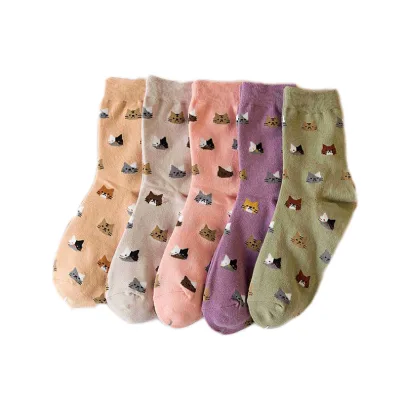
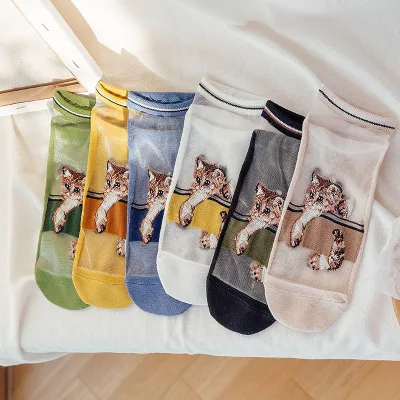
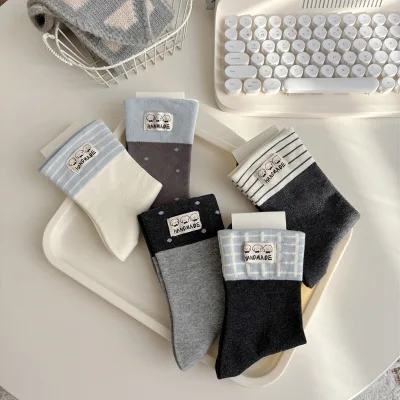
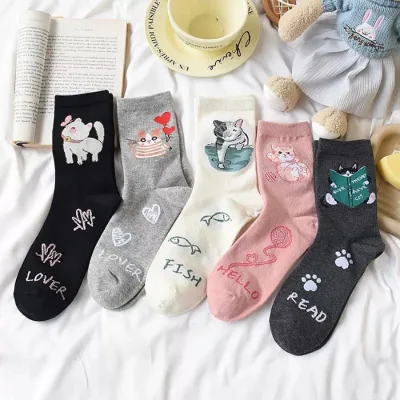
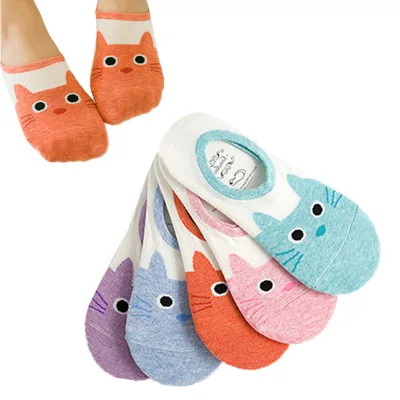
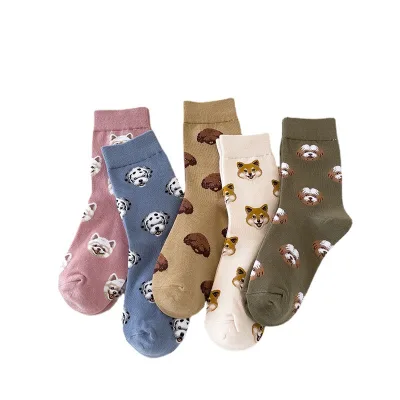
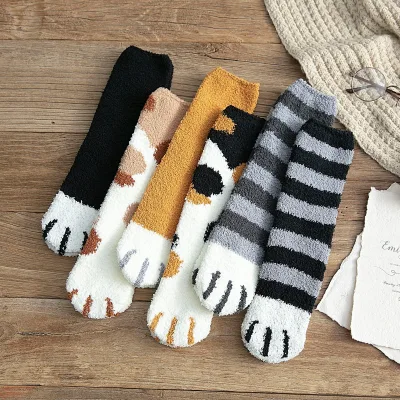
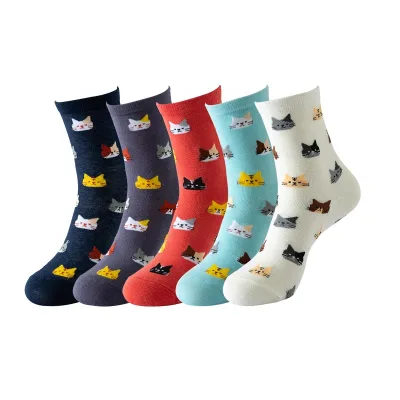
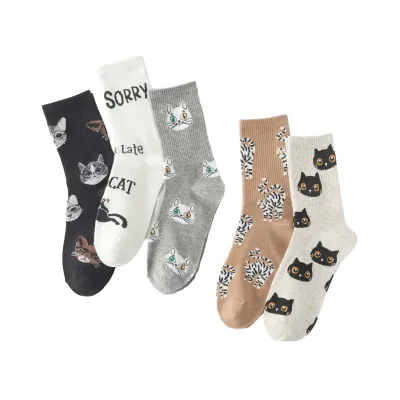
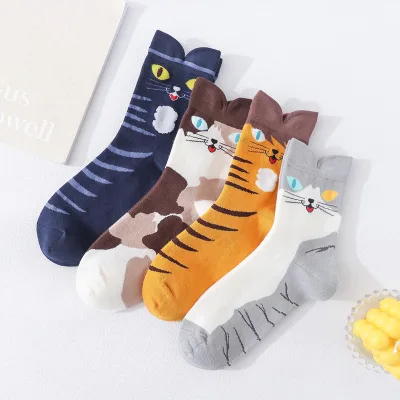
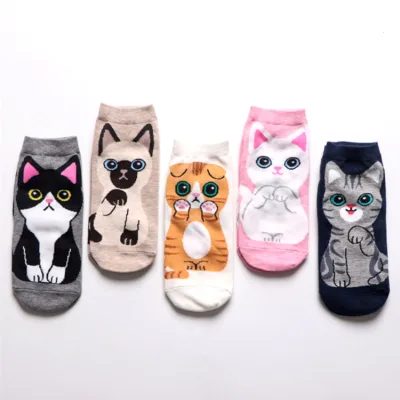


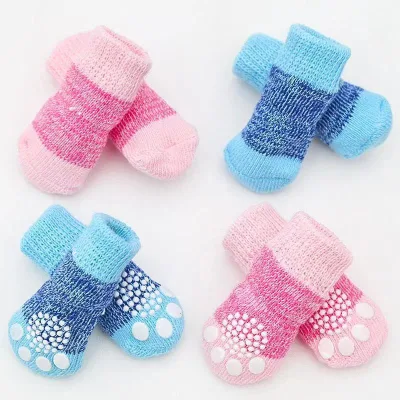




Comprehensive Sourcing Guide
Cotton Cute Cat Socks Sourcing Guide
Sourcing cotton cute cat socks requires balancing aesthetic appeal with functional textile performance, as these items serve both as novelty gifts and everyday wear. Buyers must navigate a market where visual design drives initial interest, but material composition and construction quality determine repeat purchase rates. The intersection of playful animal motifs with breathable natural fibers creates a unique product category that appeals to pet enthusiasts and fashion-conscious consumers alike. Understanding the specific demands of this niche helps procurement teams align supplier capabilities with end-user expectations for comfort and durability.
This guide provides a structured approach to evaluating suppliers, verifying technical specifications, and managing commercial risks associated with custom printed hosiery. By focusing on evidence-based verification steps, buyers can mitigate common pitfalls such as color fading, poor elasticity, or inconsistent sizing. The following sections detail the critical checkpoints for product scope, technical compliance, cost analysis, and supplier qualification. Adhering to these protocols ensures that sourced inventory meets quality standards while maintaining the whimsical character that defines the "cute cat" aesthetic in the global retail market.
Product Scope and Observed Listing Signals
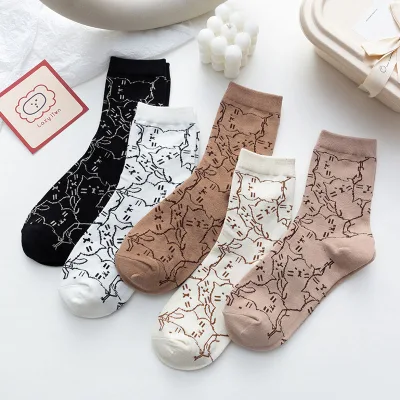
The current market landscape for cotton cat socks reveals a diverse range of styles, from casual crew lengths to mid-calf designs, catering to varied consumer preferences. Observed listings indicate a strong emphasis on animal and floral patterns, with specific models featuring jacquard weaving techniques to create detailed pet imagery. Buyers should note that supply types vary between in-stock items and custom production runs, which significantly impacts lead times and minimum order quantities. Understanding these variations is essential for aligning inventory planning with sales forecasts and seasonal demand fluctuations.
Color options and packaging methods also play a crucial role in the final product presentation, with suppliers offering multiple colorways and customizable packaging solutions. Some listings highlight eco-friendly features and breathable materials, suggesting a growing consumer preference for sustainable and comfortable hosiery. However, buyers must verify these claims through direct supplier communication and sample testing, as marketing terms can sometimes be used loosely. The presence of OEM capabilities indicates that many manufacturers are open to branding collaborations, allowing retailers to create exclusive product lines that stand out in competitive markets.
Technical Specifications to Verify
Material composition is the most critical technical factor, with cotton and spandex blends being the standard for ensuring both comfort and stretch recovery. Buyers must verify the exact percentage of cotton to guarantee breathability and softness, while also checking the spandex content to ensure the socks maintain their shape after repeated washing. Length specifications, such as crew or mid-calf, should be confirmed against size charts to prevent fit issues, especially since many products are marketed as one-size-fits-all. Accurate thickness assessments are also necessary to determine suitability for different seasons and footwear types.
Construction details, including weaving methods and logo placement, directly influence the product's longevity and aesthetic appeal. Jacquard weaving is often used for intricate cat patterns, but buyers should inspect samples for loose threads or uneven stitching that could lead to premature wear. The position of any branding, whether on the cuff or absent entirely, must be agreed upon in writing to avoid production errors. Additionally, package dimensions and gross weight per batch are vital for calculating shipping costs and warehouse storage requirements, making precise data collection a mandatory step in the sourcing process.
Compliance and Safety Documentation
Safety and regulatory compliance are paramount when sourcing hosiery intended for direct skin contact, particularly for products marketed to women and children. Buyers should request documentation confirming that dyes and finishes used in the printing process meet international safety standards for harmful substances. While specific certification statuses may vary by supplier, it is essential to verify that the cotton materials are free from prohibited chemicals and allergens. This due diligence protects the brand from potential liability issues and ensures that the final product is safe for consumer use.
Environmental claims, such as eco-friendly attributes, require substantiation through recognized standards or third-party audits to avoid greenwashing accusations. Buyers should inquire about the sourcing of raw materials and the manufacturing processes used to minimize environmental impact. Although not all suppliers may provide detailed environmental reports, those who do demonstrate a higher level of transparency and commitment to sustainable practices. Verifying these aspects helps align procurement strategies with corporate social responsibility goals and meets the growing consumer demand for ethically produced goods.
Cost Drivers and Commercial Terms
Pricing for cotton cat socks is influenced by several factors, including material costs, design complexity, and order volume. Buyers should expect a wide range of prices depending on the specific features and customization levels requested. Minimum order quantities can vary significantly, from small batches for testing to larger orders for full-scale production, impacting the overall cost per unit. Understanding these variables allows procurement teams to negotiate better terms and optimize their budget allocation for different product lines.
Lead times and payment terms are also key components of the commercial agreement, affecting cash flow and inventory management. Suppliers may offer different delivery windows based on whether items are in stock or require custom production. Buyers should clarify sample availability and lead times to ensure timely product launches and avoid stockouts. Additionally, payment methods such as trade assurance or letters of credit can provide security for both parties, reducing financial risk and fostering a more stable trading relationship.
Supplier Qualification and Quality Control
Evaluating supplier capabilities involves assessing their production capacity, quality control processes, and responsiveness to buyer inquiries. Buyers should request detailed information about the manufacturing facilities, including equipment and workforce expertise, to ensure consistent product quality. Sample orders are a valuable tool for verifying design accuracy, material feel, and construction integrity before committing to larger purchases. Suppliers who provide prompt and professional support during the sampling phase are often more reliable partners for long-term collaboration.
Quality control measures should be clearly defined in the purchase agreement, including inspection criteria and acceptance thresholds. Buyers should specify requirements for color fastness, elasticity retention, and defect rates to ensure that the final products meet their standards. Regular communication and feedback loops with suppliers help identify and resolve issues early in the production process. Establishing a robust quality assurance framework minimizes the risk of receiving substandard inventory and protects the brand's reputation in the market.
Long-Term Procurement Checks
Building a sustainable supply chain for cotton cat socks requires ongoing monitoring and relationship management with suppliers. Buyers should conduct periodic reviews of supplier performance, focusing on delivery reliability, product consistency, and customer feedback. Continuous improvement initiatives, such as exploring new materials or design trends, can help keep the product line fresh and competitive. Maintaining open lines of communication fosters trust and encourages suppliers to prioritize the buyer's needs and expectations.
Market trends and consumer preferences evolve rapidly, so buyers must stay informed about changes in the hosiery industry. Regularly updating product specifications and sourcing strategies ensures that the inventory remains relevant and appealing to target audiences. Additionally, diversifying the supplier base can mitigate risks associated with single-source dependencies and supply chain disruptions. By adopting a proactive and strategic approach to procurement, buyers can secure a steady supply of high-quality cotton cat socks that drive sales and customer satisfaction.
FAQs
What materials are used for these cotton cat socks?
These socks are made from a blend of Spandex and Cotton to ensure comfort and stretch. The material composition supports breathability and durability for daily wear. Some variations may use 100% Cotton depending on the specific model number and design requirements selected by the buyer.
Can I order samples before placing a bulk order?
Sample orders are available for some models with a lead time of 7 days. However, not all product listings support sample requests, so availability depends on the specific item number. Buyers should verify sample support for their chosen model before proceeding with the order.
What is the minimum order quantity for these socks?
The minimum order quantity varies by product, ranging from 20 pairs to 60 pairs for different models. Some listings also indicate a selling unit multiple of 5 items. Buyers must check the specific MOQ for the exact model number they intend to purchase.
Which colors are available for the cat print socks?
Available colors include Pink, Orange, Purple, Khaki, Light Green, Beige, and Yellow. These options provide variety for different style preferences. The specific color selection depends on the inventory status of the in-stock items offered by the supplier.
How long does delivery take for bulk orders?
The standard delivery time for bulk orders is typically 7 to 9 days. This timeframe applies to the supply type listed as in-stock items. Buyers should confirm the exact lead time with the supplier as it may vary based on current production capacity and shipping methods.
Are these socks suitable for sports and daily use?
Yes, these socks are designed for both sports and daily usage scenarios. Their casual style and breathable material make them versatile for various activities. The standard thickness and crew length provide adequate support for regular wear and light athletic activities.
Can I customize the packaging and logo on these socks?
Custom packaging and labels are accepted for many of these sock models. Some items allow for custom labels while others may have no logo position. Buyers should specify their customization needs, as OEM services and packaging options vary by the specific product listing.